

Natasha George | President, The Phenix Group | Licensed Mortgage Loan Originator | MBA, Texas Christian University
Natasha George is the President of The Phenix Group and one of the most credentialed voices in the credit repair and financial readiness space. With over two decades of direct experience in credit, mortgage lending, and consumer finance, she brings a rare combination of frontline industry knowledge and formal academic training to every piece of content published on this site.
Natasha holds a Master of Business Administration from Texas Christian University with a specialization in Data Analysis a credential that directly informs how she interprets credit reporting data, evaluates consumer risk profiles, and identifies inaccuracies across bureau files. This analytical foundation sets her guidance apart from general financial commentary.
She is also a licensed Mortgage Loan Originator (MLO), a federal designation that requires passing the NMLS-administered SAFE Act examination, background screening, and ongoing compliance education. This license gives Natasha firsthand, professionally credentialed knowledge of underwriting standards, lender overlays, and the direct relationship between credit scores and mortgage approval outcomes knowledge that most credit bloggers simply do not hold.
Throughout her career, Natasha has worked at the intersection of credit reporting accuracy, consumer protection law, and financial readiness guiding consumers, homebuyers, and business owners through some of the most consequential financial decisions of their lives. Her work is grounded in compliance with the Fair Credit Reporting Act (FCRA), the Credit Repair Organizations Act (CROA), and related federal consumer protection regulations.
All content published under Natasha’s byline has been developed in alignment with The Phenix Group’s attorney-engaged compliance review process. The Phenix Group operates under legal oversight to ensure all consumer guidance meets federal regulatory standards.
Natasha is also a wife and mother of two. She writes because she believes every American family deserves access to accurate, trustworthy credit information not just those who can afford a financial advisor.
Credentials at a Glance:
All content on this blog is for educational purposes only and does not constitute legal or financial advice. Content is reviewed for compliance accuracy before publication.

If you have ever applied for a mortgage, auto loan, or student loan, you may have heard the term rate shopping window. Many consumers worry that checking rates with multiple lenders will damage their credit score, but that is not always true. Understanding how rate shopping windows work can help

Paying your bills on time should help your credit score. So when your credit score drops despite doing everything “right,” it can feel frustrating, confusing, and unfair. This is one of the most common questions consumers ask credit specialists, and the answer is more nuanced than most people realize. A
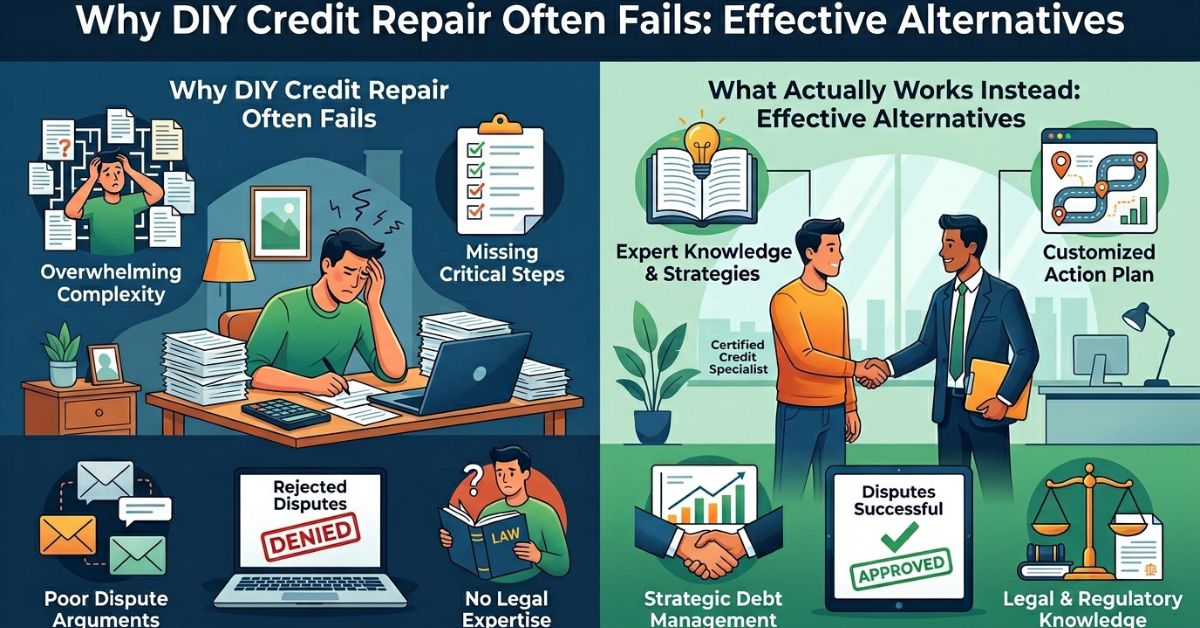
You pulled your credit reports. You spotted the errors. You sent the dispute letters, and then waited. Thirty days later, the bureau came back with a one-word verdict: Verified. Nothing changed. Sound familiar? You are not alone, and more importantly, you did not fail because you lacked effort. DIY credit

Many homebuyers believe a traditional credit score is required to qualify for a mortgage. While credit scores remain a common underwriting tool, some loan programs now allow borrowers to qualify without a minimum score. However, this does not mean credit history is ignored. If a borrower has an established credit

Applying for a mortgage is an exciting step, but many borrowers are surprised to learn that credit reporting errors can delay or completely prevent approval. Even well qualified buyers may face obstacles if inaccurate information appears on their credit reports. Understanding the most common credit reporting errors can help you

If you have received repeated calls from a number you do not recognize, you may be dealing with ARS. Many consumers first learn about this company when collection calls begin, often without clear information about the debt being referenced. Understanding who ARS is, why they are calling, and what rights