

Natasha George | President, The Phenix Group | Licensed Mortgage Loan Originator | MBA, Texas Christian University
Natasha George is the President of The Phenix Group and one of the most credentialed voices in the credit repair and financial readiness space. With over two decades of direct experience in credit, mortgage lending, and consumer finance, she brings a rare combination of frontline industry knowledge and formal academic training to every piece of content published on this site.
Natasha holds a Master of Business Administration from Texas Christian University with a specialization in Data Analysis a credential that directly informs how she interprets credit reporting data, evaluates consumer risk profiles, and identifies inaccuracies across bureau files. This analytical foundation sets her guidance apart from general financial commentary.
She is also a licensed Mortgage Loan Originator (MLO), a federal designation that requires passing the NMLS-administered SAFE Act examination, background screening, and ongoing compliance education. This license gives Natasha firsthand, professionally credentialed knowledge of underwriting standards, lender overlays, and the direct relationship between credit scores and mortgage approval outcomes knowledge that most credit bloggers simply do not hold.
Throughout her career, Natasha has worked at the intersection of credit reporting accuracy, consumer protection law, and financial readiness guiding consumers, homebuyers, and business owners through some of the most consequential financial decisions of their lives. Her work is grounded in compliance with the Fair Credit Reporting Act (FCRA), the Credit Repair Organizations Act (CROA), and related federal consumer protection regulations.
All content published under Natasha’s byline has been developed in alignment with The Phenix Group’s attorney-engaged compliance review process. The Phenix Group operates under legal oversight to ensure all consumer guidance meets federal regulatory standards.
Natasha is also a wife and mother of two. She writes because she believes every American family deserves access to accurate, trustworthy credit information not just those who can afford a financial advisor.
Credentials at a Glance:
All content on this blog is for educational purposes only and does not constitute legal or financial advice. Content is reviewed for compliance accuracy before publication.
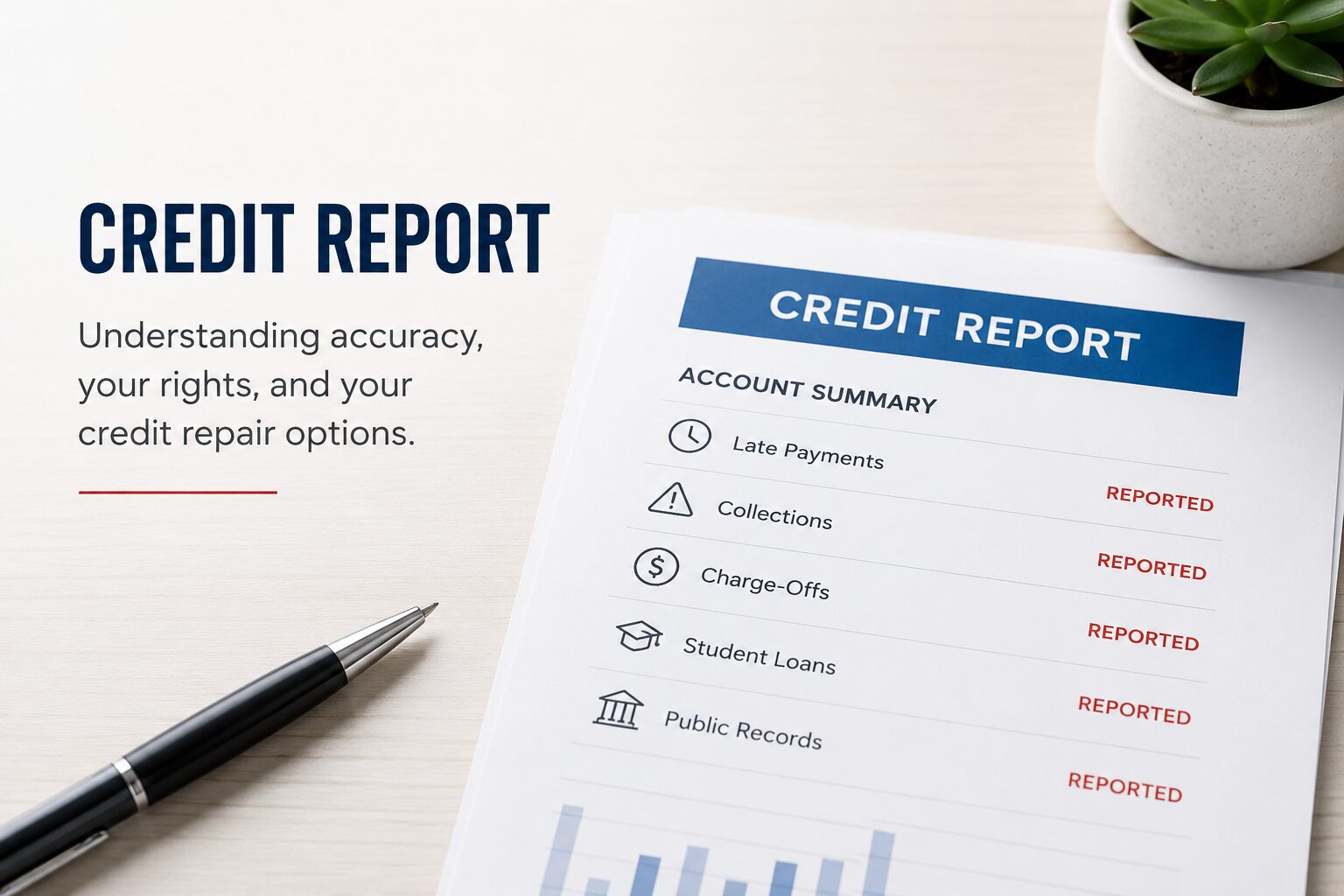
If you have spent any time researching credit repair online, you have probably seen companies making aggressive claims about removing late payments, charge-offs, collections, repossessions, and other negative accounts from credit reports. That naturally leads many consumers to ask an important question: Can accurate negative items actually be removed from

If you’ve spent any time researching credit repair, you’ve probably seen two very different opinions online. Some people say you should never pay for credit repair because you can dispute items yourself for free. Others claim professional credit repair companies can completely transform your credit profile. So what’s the truth?

If you are planning to buy a home, collections on your credit report can create confusion and anxiety during the mortgage approval process. Many consumers assume they should immediately pay every collection account before applying for a mortgage, but that is not always the best strategy. In some situations, paying

Active duty service comes with sacrifice, mobility, and financial disruption that most civilians never experience. Recognizing this, Congress enacted the Servicemembers Civil Relief Act (SCRA) to protect military members from financial harm while serving our country. Yet many service members, reservists, and National Guard members either do not fully understand

This post is not legal advice. It is educational guidance based on professional experience to help you understand your next steps. The most important thing to know is this: you still have rights and you still have options, but those options can shrink quickly if you miss the court’s response

This morning, I got a call from my cousin that perfectly illustrates how confusing and costly credit card promotions can be. She had opened a CareCredit account believing she was getting a 0% interest offer. The original balance was just over $9,000. She paid consistently and responsibly, eventually getting the