

Natasha George | President, The Phenix Group | Licensed Mortgage Loan Originator | MBA, Texas Christian University
Natasha George is the President of The Phenix Group and one of the most credentialed voices in the credit repair and financial readiness space. With over two decades of direct experience in credit, mortgage lending, and consumer finance, she brings a rare combination of frontline industry knowledge and formal academic training to every piece of content published on this site.
Natasha holds a Master of Business Administration from Texas Christian University with a specialization in Data Analysis a credential that directly informs how she interprets credit reporting data, evaluates consumer risk profiles, and identifies inaccuracies across bureau files. This analytical foundation sets her guidance apart from general financial commentary.
She is also a licensed Mortgage Loan Originator (MLO), a federal designation that requires passing the NMLS-administered SAFE Act examination, background screening, and ongoing compliance education. This license gives Natasha firsthand, professionally credentialed knowledge of underwriting standards, lender overlays, and the direct relationship between credit scores and mortgage approval outcomes knowledge that most credit bloggers simply do not hold.
Throughout her career, Natasha has worked at the intersection of credit reporting accuracy, consumer protection law, and financial readiness guiding consumers, homebuyers, and business owners through some of the most consequential financial decisions of their lives. Her work is grounded in compliance with the Fair Credit Reporting Act (FCRA), the Credit Repair Organizations Act (CROA), and related federal consumer protection regulations.
All content published under Natasha’s byline has been developed in alignment with The Phenix Group’s attorney-engaged compliance review process. The Phenix Group operates under legal oversight to ensure all consumer guidance meets federal regulatory standards.
Natasha is also a wife and mother of two. She writes because she believes every American family deserves access to accurate, trustworthy credit information not just those who can afford a financial advisor.
Credentials at a Glance:
All content on this blog is for educational purposes only and does not constitute legal or financial advice. Content is reviewed for compliance accuracy before publication.

Simply miss a couple of credit card payments or fall behind on your mortgage, and your credit score will fall faster than a skydiver. Getting those credit scores back up, however, is a time-consuming process that can take years if you don’t know the ins and outs of the system.

They say the only two certainties in life are death and taxes. The IRS does it’s best to make sure you pay the latter. However, for a variety of reasons, many people end up owing the IRS money. Whether a person forgot to move a decimal when reporting their income,

Many people who’ve had to turn over their car to the bank or dealership because they were unable to make their payments believe that giving the car back is the end of the story. Sadly, surrendering the car does not mean that a person is free and clear—the consequences of
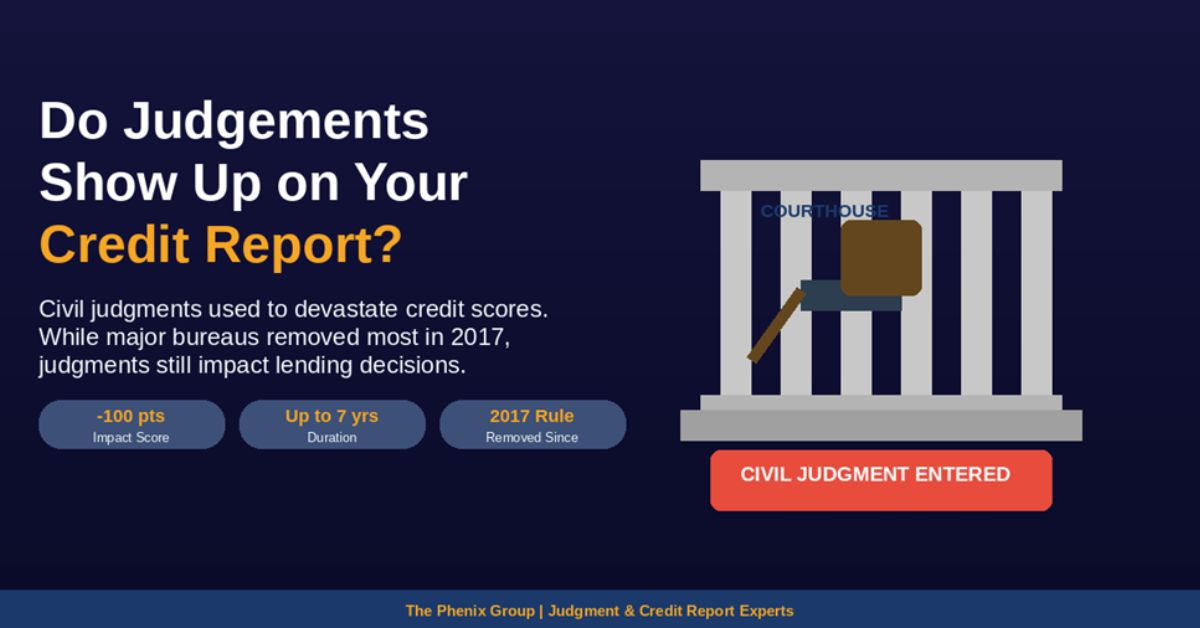
If you’ve recently had a civil judgment filed against you, you’re likely panicking about your credit. Here’s what you need to know immediately: as of 2018, major credit bureaus, Experian, Equifax, and TransUnion, no longer include civil judgment records on credit reports. This was a major policy change, and many

A voluntary repossession is when you agree to return your car to the lender. This can often be the last option you have when you are unable to make car payments or if you’re going into bankruptcy. Of course, parting with your vehicle is never an easy choice, and it’s

You can end up in serious financial difficulties if your debt goes into collections. While the initial matter of concern is obviously to pay off the debt, having collections on your credit report can damage your credit score in the long run, as well. If you want to protect yourself