

Natasha George | President, The Phenix Group | Licensed Mortgage Loan Originator | MBA, Texas Christian University
Natasha George is the President of The Phenix Group and one of the most credentialed voices in the credit repair and financial readiness space. With over two decades of direct experience in credit, mortgage lending, and consumer finance, she brings a rare combination of frontline industry knowledge and formal academic training to every piece of content published on this site.
Natasha holds a Master of Business Administration from Texas Christian University with a specialization in Data Analysis a credential that directly informs how she interprets credit reporting data, evaluates consumer risk profiles, and identifies inaccuracies across bureau files. This analytical foundation sets her guidance apart from general financial commentary.
She is also a licensed Mortgage Loan Originator (MLO), a federal designation that requires passing the NMLS-administered SAFE Act examination, background screening, and ongoing compliance education. This license gives Natasha firsthand, professionally credentialed knowledge of underwriting standards, lender overlays, and the direct relationship between credit scores and mortgage approval outcomes knowledge that most credit bloggers simply do not hold.
Throughout her career, Natasha has worked at the intersection of credit reporting accuracy, consumer protection law, and financial readiness guiding consumers, homebuyers, and business owners through some of the most consequential financial decisions of their lives. Her work is grounded in compliance with the Fair Credit Reporting Act (FCRA), the Credit Repair Organizations Act (CROA), and related federal consumer protection regulations.
All content published under Natasha’s byline has been developed in alignment with The Phenix Group’s attorney-engaged compliance review process. The Phenix Group operates under legal oversight to ensure all consumer guidance meets federal regulatory standards.
Natasha is also a wife and mother of two. She writes because she believes every American family deserves access to accurate, trustworthy credit information not just those who can afford a financial advisor.
Credentials at a Glance:
All content on this blog is for educational purposes only and does not constitute legal or financial advice. Content is reviewed for compliance accuracy before publication.

Student loans are subject to specific federal rules and regulations that can impact your overall creditworthiness–here’s a look at how student loans can affect your credit, and when it may be time to get help from companies offering credit repair in Austin, Texas to help you through the process. Loan Deferment and
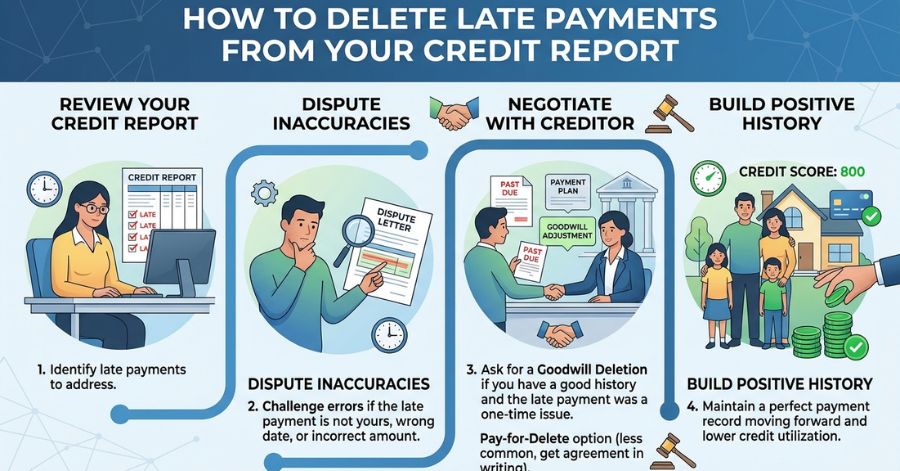
A late payment on your credit report can feel like a gut punch, especially when you’re trying to buy a home, refinance, or qualify for a loan. Even a single 30-day late payment can drop your FICO score by 60 to 110 points, potentially pushing you out of the range

In this post, we’ll go over how divorce can impact credit scores, how you can repair it, and if you should look for the help of credit repair companies in Austin, Texas. How Divorce Impacts Your Credit Score The fact that you’re divorced doesn’t directly impact your credit score or credit

Furthermore, there are ways to reduce your upfront costs–let’s look at ways you can reduce the total cost of a loan and how you can improve your credit profile by using credit repair companies in Austin, Texas. How Interest Rates Affect the Total Loan Cost Let’s say you’ve borrowed $10,000 from

This article will provide a picture of the Austin home market, what kind of credit score you might need to get a place you’ll love, and how you can get help from credit repair in Austin, Texas if you need it. Current Housing Market in Austin Since the end of the pandemic,

Despite VantageScore and other models edging their way into the market, FICO continues to be the forerunner in the credit rating industry since it created the scoring system. FICO stands for the Fair, Isaac, and Company; it was founded in 1956 in San Jose, California and quickly gained traction after